What To Do When Your Pool Filter Drain Plug Breaks
Broken pool filter drain plug? Learn quick temporary fixes, the right replacement options, and when it’s safer to call in a pool professional.
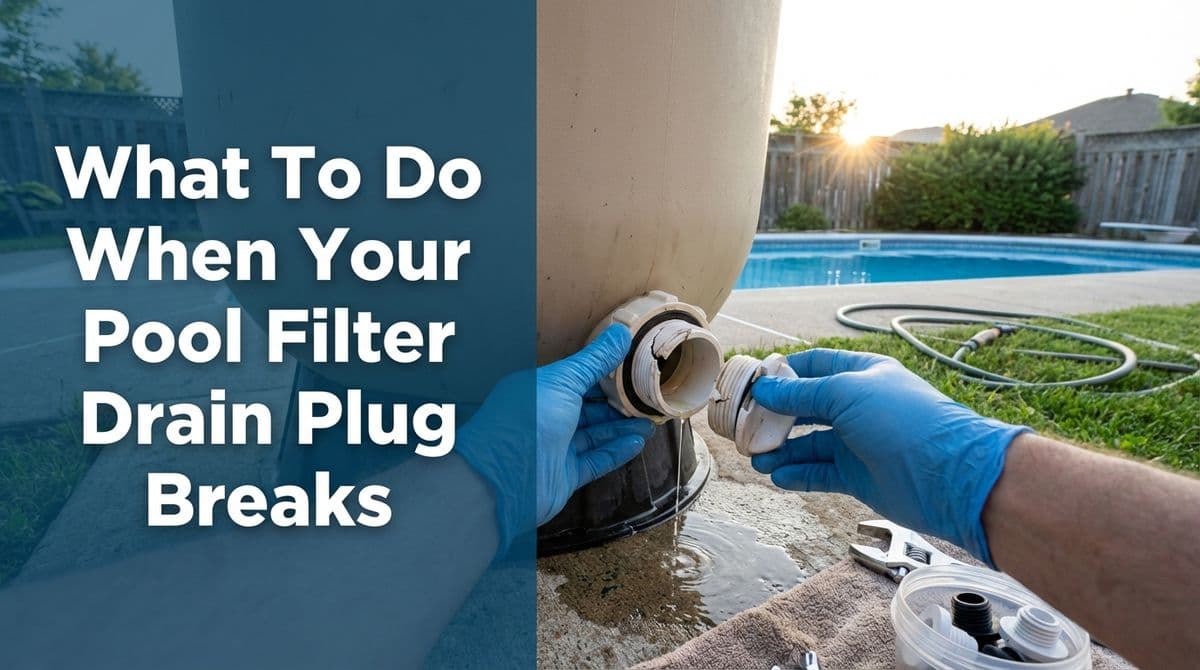
When a Simple Drain Plug Brings Your Whole Filter to a Stop
We recently got a call from a customer — let’s call him Mike — who was in a bit of a panic about his pool filter. He told us, “I’ve got a Pentair Clean & Clear Plus 420, and the drain plug on it broke. Do you have replacements?”
In Mike’s case, the threads on the plug had cracked, and every time he tried to tighten it, water leaked out at the bottom of the filter. He was worried he’d have to replace the entire filter tank. Thankfully, he didn’t — he just needed a $5 plug.
If you’ve found yourself staring at water pouring out of the bottom of your filter, wondering what broke and how bad it is, this post is for you. Let’s walk through what to do when your pool filter drain plug breaks, how to handle quick fixes, what replacement options you have, and when it’s time to call in a pro.
First Things First: Is It Safe to Run the System?
When a drain plug breaks or leaks, your first move should be to shut off the pump.
Running your pump with a leaking or missing drain plug can:
- Drain water from your system and cause the pump to lose prime
- Risk air getting into the system and damaging the pump
- Create a mess around the equipment pad or erode the ground
So just like we told Mike: turn off the pump at the breaker or timer, then tackle the plug situation.
Identify What Actually Broke
On most cartridge filters like the Pentair Clean & Clear Plus 420, the drain assembly consists of:
- The drain plug itself (usually plastic, sometimes with an O-ring)
- The drain port molded into the bottom of the tank
- Possibly a small adapter or fitting, depending on the model
Common failure points we see:
- Stripped or cracked threads on the plug from over-tightening
- Missing or flattened O-ring that no longer seals
- Broken head of the plug (where you grip or use a wrench)
- Cracked tank around the drain port (less common, but more serious)
If it’s just the plug or O-ring, you’re in luck — that’s usually an easy and inexpensive fix, like the $5 replacement Mike came in for.
Quick Temporary Fixes (If You’re in a Pinch)
We always recommend using the correct replacement parts, but we know sometimes things break on a weekend or right before guests arrive. Here are a few temporary ideas you can use at your own risk until you get the right plug:
- Thread seal tape (Teflon tape): If the plug is just seeping a little, turning off the system, removing the plug, and wrapping the threads 6–8 times with Teflon tape can help it seal better when reinstalled.
- New O-ring or gasket: If the O-ring is cracked or missing, sometimes a similar-size O-ring from a hardware store can buy you some time.
- Hand-tighten only: Don’t crank down with a wrench. Over-tightening is often what cracks the plug in the first place.
What we don’t recommend:
- Silicone or epoxy permanently glued into the drain port
- Random hardware-store screws or plugs forced into the opening
- Running the system with the plug completely missing
Those “solutions” can crack the filter tank or make it much harder to repair correctly later.
Choosing the Right Replacement Drain Plug
When Mike called, he wasn’t sure exactly what it was called — just that the bottom plug on his “Clean & Clear Plus 420” had broken. That’s usually all we need to look up the correct part.
To get the right replacement plug, here’s what helps:
- Filter brand and model: For example, “Pentair Clean & Clear Plus 420.” This is usually on the label on the side of the filter.
- Photo of the filter and plug area: If you stop by our shop, a quick photo on your phone makes it easy for us to match.
- Old plug (if you have it): Even broken, it gives us thread size and style.
We always recommend an OEM (original manufacturer) plug if possible. The threads and O-ring are designed specifically for your filter body, which means fewer leaks and less chance of damaging the tank.
How to Replace the Drain Plug Safely
Once you’ve got the correct replacement, here’s a simple step-by-step process:
- Turn off power to the pump at the breaker or timer.
- Relieve pressure on the filter by opening the air relief valve on top of the filter until the gauge reads zero.
- Remove the old plug from the drain port. If bits of plastic are stuck in the threads, gently pick them out without scratching the port.
- Inspect the drain port for any cracks or damage. If the tank itself is cracked, stop and call a pro — that’s a safety issue.
- Prepare the new plug: Make sure the O-ring is seated properly. If the manufacturer recommends it, apply 1–2 wraps of Teflon tape on the threads (many OEM plugs don’t need it).
- Hand-tighten only: Screw the plug into the port by hand until snug. Do not use a pipe wrench or over-tighten.
- Restart the system: Close the air relief, restore power, then slowly start the pump.
- Check for leaks: Watch the drain area for a few minutes. A very small initial drip that stops as pressure builds is sometimes normal, but constant dripping means it needs adjustment.
When a Broken Plug Is a Sign of a Bigger Problem
Most of the time, just like with Mike, a broken drain plug is an isolated issue. But there are times when it points to something more serious:
- Cracks radiating from the drain port in the filter tank
- Bulging filter body or obvious warping
- Persistent leaks even with a brand-new plug and O-ring
- Visible damage from sun exposure, impact, or past repairs
In those cases, forcing a new plug in might not fix the root issue. A compromised filter tank is a safety concern because it’s under pressure. If you see any of these signs, it’s time to let a professional take a look.
When to Call a Pool Pro Instead of DIY
Here’s when we recommend calling us (or your local pool pro) instead of tackling it yourself:
- You can’t get the old plug out without tools or it feels “frozen” in place
- The plastic around the drain port looks cracked or brittle
- You’ve tried a new plug and it still leaks under pressure
- You’re not comfortable depressurizing and restarting the system
We can usually:
- Confirm the correct part and install it properly
- Inspect the entire filter for hidden damage
- Pressure-test the system and make sure everything’s safe and leak-free
For Mike, it was as simple as stopping by for a new drain plug — he grabbed it for about five dollars, followed our replacement tips, and his filter was back in business the same afternoon.
Need Help With a Broken Pool Filter Drain Plug?
If your Pentair Clean & Clear Plus (or any other filter) is leaking from the bottom, don’t panic and don’t assume you need a whole new filter. Most of the time, it’s a simple plug or O-ring issue that can be fixed quickly and affordably.
Bring us your filter model information — or a quick photo on your phone — and we can match the correct replacement part, walk you through the install, or schedule a service visit if you’d rather have us handle it.
Either way, we’ll help you stop the leak, protect your equipment, and get your pool back to clear and clean where it matters — in the water, not on the equipment pad.