How to Identify and Replace Your Pool Filter Cartridges
Not sure what size or brand pool filter cartridges you have? Learn how to identify, maintain, and replace them step by step, even if the label is gone.
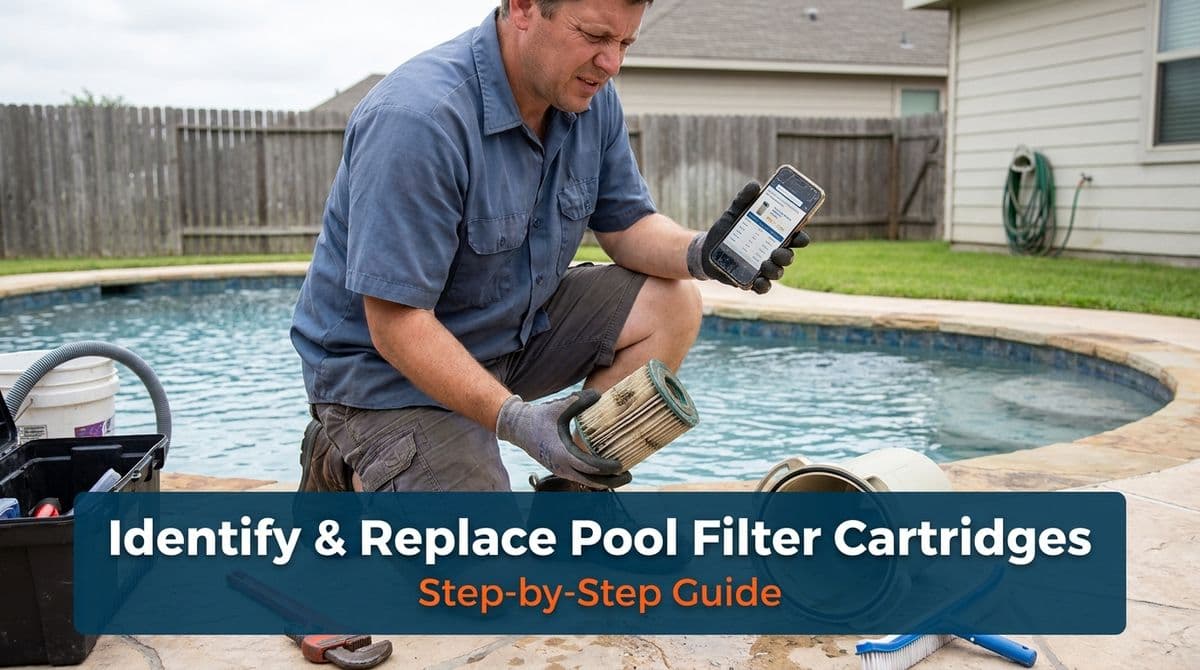
We Just Need Cartridges… But What Size Do We Have?
We recently got a call from a customer — let’s call him Mike — who was standing in his backyard, staring at his pool filter and scratching his head. He knew he needed new filter cartridges, but he didn’t really know what size they were, what brand his filter was, or what to even ask for.
Mike told us he thought he had Pleatco cartridges — maybe an A5 or A6 — but he wasn’t sure. He liked that style because of the single band around the bottom that made cleaning easier. The problem? He didn’t know his filter model, and that’s the important part when you’re buying replacements.
If that sounds familiar, you’re not alone. We walk customers through this exact situation all the time. So in this post, we’ll share the same advice we gave Mike: how to identify your pool filter cartridges and replace them, even if you don’t know the size or brand yet.
Step 1: Figure Out What Filter You Actually Have
When Mike called, the first thing we asked was simple: “Do you know if your filter is Pentair or Hayward?” You don’t actually shop for replacement cartridges by Pleatco, Hurricane, or other cartridge brands first — you start with the filter tank manufacturer and model.
Here’s the same process we walked Mike through, step by step:
- Go outside and look at the filter tank itself (the big cylinder near your pool equipment).
- Look for a label or sticker on the side of the tank. It will usually say something like Pentair, Hayward, or another common brand.
- On Pentair cartridge filters, you’ll often see a model series like Clean & Clear 320, 420, or 520. There’s usually a small “punch out” or marking on the label indicating which size you have.
- On Hayward filters, look for designations like C4030 or similar numbers.
If the label is sun-faded or missing, don’t panic. You can still figure it out — it just takes one more step.
Step 2: When the Label Is Gone, Use Photos and Measurements
With Mike, we suggested two options: he could bring in a cartridge, or he could text us photos of the filter and the cartridges. That’s usually the fastest way for us to match what you have to the right replacement.
If you want to gather info yourself before calling, here’s what helps us (or any pool pro) identify the right cart:
- Take a clear photo of the whole filter tank, including any labels or logos.
- Turn off the pump, release pressure, and open the filter to remove one cartridge.
- Measure the cartridge: total length, outside diameter, and the size/style of the end caps and center hole.
- Count how many cartridges are inside the filter (some systems use 4 smaller carts, some use a single large one).
Once we know the filter brand and model — or have measurements and photos — we can cross-reference and find the correct Hurricane or other compatible cartridge that fits your system, just like we did for Mike.
Why We Recommend Hurricane Cartridges Over Premium Brands
On Mike’s call, he specifically asked about Pleatco because that’s what he had before. We told him what we tell everyone: we used to carry Pleatco, but now we stock Hurricane cartridges because they’re roughly half the price and perform very well for most residential pools.
Here’s how we think about it:
- Performance vs. price: For typical backyard pools, a good mid-range cartridge like Hurricane filters the water just fine at a much better price point.
- Availability: We keep common Pentair and Hayward sizes in stock, so you’re not waiting days for special orders.
- Construction: While Pleatco may have the single band configuration Mike liked, Hurricane cartridges often use multiple bands to keep the pleats evenly spaced. That can actually improve filtration and water flow.
In other words, as long as we match the correct size and model, you can save money without sacrificing clear water.
How to Tell When Your Pool Filter Cartridges Need Replacing
Mike called us because he already knew he needed new cartridges. But a lot of homeowners aren’t sure when it’s time to replace versus just clean. Here are some signs we tell customers to watch for:
- Persistent high pressure: If your filter pressure gauge runs 8–10 psi higher than normal even after a thorough cleaning, your cartridges may be worn out.
- Cloudy or hazy water that doesn’t clear up with normal chemicals and run time.
- Weak return flow: You feel less water coming out of the pool returns even though the pump is working correctly.
- Cartridge damage: Tears in the fabric, cracked end caps, or pleats that are permanently flattened or fused together.
Most residential pool cartridges last about 2–3 years with regular cleaning, but heavy use, a lot of debris, or poor water chemistry can shorten that lifespan.
Basic Cartridge Maintenance to Extend Their Life
Once Mike gets his new cartridges, we don’t want him back on the phone in three months needing another set. We always share a few simple maintenance tips to help homeowners get the most out of their filters:
- Rinse regularly: Every 4–6 weeks during the season, turn off the pump, remove the cartridges, and hose them down from top to bottom at a 45-degree angle to flush debris from between the pleats.
- Deep clean when needed: If the cartridges feel slick or greasy, soak them in a cartridge cleaning solution (never household detergent) to break down oils and lotions.
- Watch your pressure gauge: Note your “clean” starting pressure after new or freshly cleaned cartridges. When it rises about 8–10 psi above that, it’s time to clean.
- Keep chemistry in balance: High calcium, very high chlorine, or extreme pH can damage the filter media and shorten cartridge life.
A little routine care can easily add a season or two to a good set of cartridges.
Quick Troubleshooting: High Pressure After New Cartridges
Every so often, someone installs brand new cartridges and then calls us because the pressure is still high. If that ever happens to you, here’s what we suggest checking:
- Air in the system: Make sure you’ve bled the air out of the filter using the air relief valve until a steady stream of water comes out.
- Valve positions: Confirm that all your valves are in their normal operating positions and that the backwash or waste setting (if you have a multiport) is not partially closed.
- Pump basket and skimmer baskets: Clogged baskets can restrict flow and cause pressure spikes.
- Correct cartridge fit: Very short or incorrect cartridges can cause internal bypassing and weird pressure readings; very tall ones can bind the lid. If something looks forced or loose, stop and call us.
If everything looks right and the pressure is still off, we’re happy to take a look or have you bring a cartridge in so we can double-check the sizing.
Not Sure What You Have? Here’s How We Can Help
By the end of our call, Mike was headed outside to pop his filter open, snap some photos, and check for that Pentair or Hayward model sticker. That’s exactly what we recommend if you’re in the same boat.
To recap, when you’re ready to replace your pool filter cartridges:
- Find your filter brand and model (Pentair 320/420/520, Hayward C4030, etc.).
- If you can’t see a label, take pictures and measurements of the tank and cartridges.
- Bring a cartridge to us or send photos so we can match the right Hurricane or compatible replacement.
We keep the common sizes in stock, and we’re always happy to walk you through the process — whether you’re a seasoned pool owner like Mike or opening the filter lid for the very first time.