Why Is My Pool Pump Full of Air After a Storm?
Pool pump full of air and cloudy water after a storm? Learn common causes, risks, and the exact steps homeowners should take before and after calling a pro.
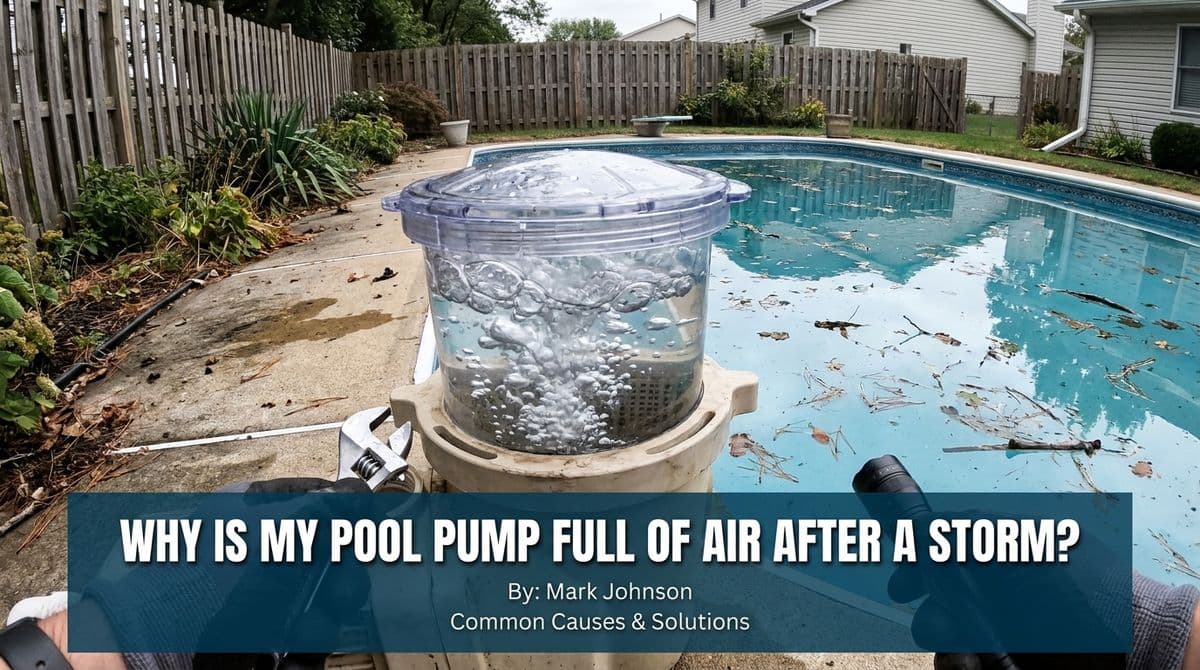
When Your Pool Pump Fills with Air and the Water Turns Cloudy
We recently got a call from a customer — let’s call him Jason — who was pretty worried about his pool equipment. He told us he’d noticed his pool system “filling up with air where the air shouldn’t be,” so he did the right thing and shut the pump off. Then a big storm rolled through overnight, and by the next morning his pool was very cloudy.
Jason was comfortable brushing and cleaning the pool himself, but he wanted us to figure out what was going on with the pump and why there was so much air in the system. That kind of call is really common after a storm, and it always leads to the same two questions:
- Why is there air in my pool pump and plumbing?
- Did shutting the pump off cause the water to go cloudy?
Let’s walk through how we approach situations like Jason’s and what you, as a homeowner, can safely check before we come out.
Why Your Pool Pump Ends Up Full of Air
Your pool pump is designed to move water, not air. When you start seeing a big air pocket in the pump basket lid or lots of bubbles blowing into the pool from the returns, it means air is being pulled into the system somewhere on the suction side (between the pool and the pump).
Here are the most common causes we find on service calls:
- Loose or dirty pump lid o-ring – If the lid o-ring is cracked, flattened, dry, or has debris on it, the pump can suck air every time it runs.
- Low water level – After a storm, wind can dump leaves and debris into the skimmer. If the skimmer basket clogs or the water level is too low, the skimmer can pull air.
- Leaky suction-side fittings – Small cracks, poorly glued PVC fittings, or loose unions on the suction line (from skimmer or main drain to pump) can all draw in air.
- Damaged valves – Older or sun-baked valves can warp, crack, or lose their internal seals, letting air seep in.
- Pump not primed correctly – If the pump loses prime and is restarted without enough water in the basket, it may never fully purge the air.
In Jason’s case, he noticed the air, got nervous, and turned the pump off completely for a couple of days. That brings us to the second half of the problem: cloudy water after a storm.
Why the Pool Turned Cloudy After the Storm
Storms are hard on pools, especially here where dust, pollen, and organic debris can blow in quickly. When you combine storm debris with a pump that’s not circulating, you get cloudy — sometimes even green — water in no time.
Here’s what typically happens when a storm rolls through and the pump isn’t running well (or at all):
- Debris and fine dust get blown into the pool and just sit there instead of being pulled into the filter.
- Chlorine gets used up faster by all that organic material, leaving the water under-sanitized.
- Algae can start to bloom in warm, still water within a day or two.
So Jason’s pool wasn’t cloudy just because of the air in the system; it was cloudy because the pump had been off for a couple of days and a storm dumped a bunch of extra load into the water.
What You Can Safely Check Before Calling for Service
We never expect homeowners to rebuild their own pumps, but there are a few simple checks you can do that might either fix the issue or give us better information when we come out.
1. Check the Water Level and Skimmer
- Make sure the water level is about halfway up the skimmer opening.
- Empty the skimmer basket and clear any leaves or debris.
- If the water is low, fill the pool before restarting the pump.
2. Inspect the Pump Lid and O-Ring
- Turn the system off at the breaker.
- Remove the pump lid and look at the o-ring or gasket.
- Wipe it and the lid sealing surface clean; look for cracks or flat spots.
- If you have pool lube, apply a light coat and reinstall the lid snugly (hand-tight only).
3. Try to Re-Prime the Pump
- With the pump off, fill the pump basket with water from a hose.
- Replace and tighten the lid.
- Make sure valves are set to pull from at least one good suction source (usually the skimmer).
- Turn the pump back on and watch the lid: a small air bubble can be normal, but it should mostly fill with water within a minute or two.
If the lid never fills with water, you hear the pump straining, or you see a lot of air continuing to blow from the returns, shut it down and call a professional. Running a pump like that can damage the pump seal or even the motor.
How We Typically Fix Air Leaks and Clear Cloudy Water
When we come out on a call like Jason’s, we start with a visual inspection and a pressure test of the suction side if needed. Depending on what we find, repairs might include:
- Replacing the pump lid o-ring or the entire lid if it’s warped
- Re-piping or re-gluing cracked suction fittings
- Repairing or replacing leaking valves
- Reseating or replacing pump seals if they’ve been run dry
For the cloudy water, here’s the basic process we usually recommend to homeowners once circulation is restored:
- Brush the entire pool (walls, steps, and floor) to get fine debris into suspension.
- Vacuum if you have a manual vacuum or a working cleaner.
- Shock the pool with chlorine based on your pool size and the current chlorine level.
- Run the pump and filter continuously for 24–48 hours and backwash or clean the filter as needed.
Most post-storm cloudy pools clear up within a couple of days when we combine proper circulation, filtration, and the right amount of sanitizer.
When to Call in a Pro
Here’s when we recommend you stop troubleshooting and schedule a service visit:
- You can’t get the pump to prime, even after filling the basket with water.
- There’s a large or growing air pocket in the pump lid that never goes away.
- You hear grinding, squealing, or loud whining from the pump motor.
- Your pool stays cloudy or starts turning green even after brushing and shocking.
Just like with Jason, we’ll ask a few questions, often have you send pictures of your equipment, and then schedule a technician. That way we can track down the air leak, protect your equipment, and help you get the water clear and inviting again after the next storm.
If your pool pump looks like it’s “full of air” or your pool went cloudy overnight, don’t ignore it. A little attention now can prevent a much more expensive repair down the road.